Buy asht.eu ?
We are moving the project
asht.eu .
Are you interested in purchasing the domain
asht.eu ?
domain@kv-gmbh.de · 0541-91531010
Buy asht.eu ?
What is the nucleus?
The nucleus is a membrane-bound organelle found in eukaryotic cells that contains the cell's genetic material, including DNA. It acts as the control center of the cell, regulating gene expression and coordinating cellular activities. The nucleus is essential for cell division, growth, and reproduction. It is surrounded by a double membrane called the nuclear envelope, which contains pores that allow for the exchange of molecules between the nucleus and the cytoplasm. **
What limits the cell nucleus?
The cell nucleus is limited by the nuclear envelope, which is a double membrane that surrounds the nucleus and separates it from the cytoplasm. This membrane has nuclear pores that control the movement of molecules in and out of the nucleus. Additionally, the size of the nucleus is limited by the amount of DNA it needs to contain and the need to maintain proper cellular function. Any disruption to the nuclear envelope or changes in nuclear size can impact the cell's ability to regulate gene expression and carry out essential functions. **


Similar search terms for Nucleus
Top-Angebote
Products related to Nucleus:
-
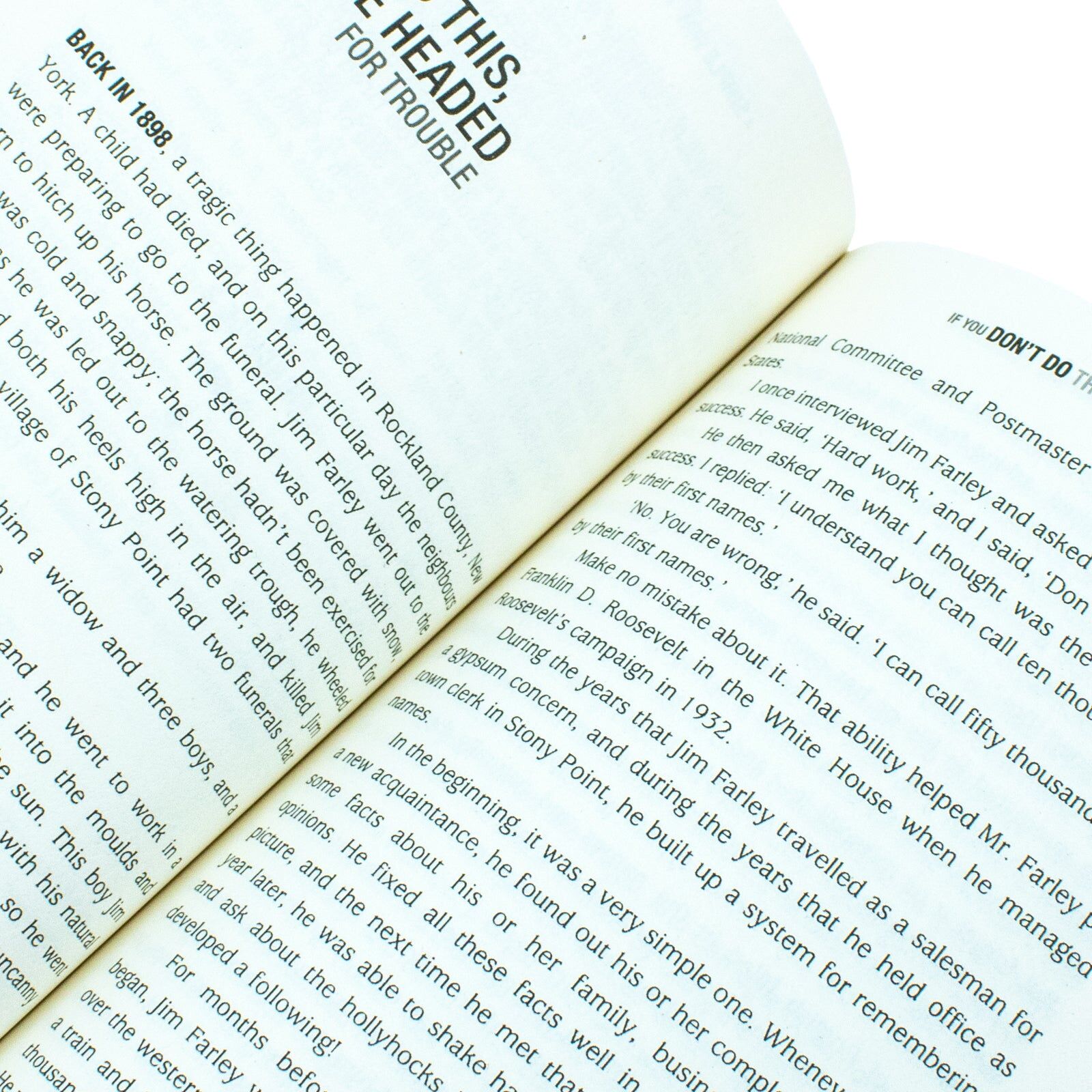
Wilco International LLP How to Win Friends and Influence People by Dale Carnegie Classic Self Help Book on Communication, Leadership, Confidence & Personal DevelopmentDiscover one of the world's best-known personal development books with How to Win Friends and Influence People by Dale Carnegie. First published in 1936, this enduring classic presents practical principles for communicating effectively, building positive relationships and working successfully with other people. Through memorable examples and straightforward advice, Carnegie explores how to make a positive impression, handle disagreements constructively, encourage cooperation and become a more effective communicator. The principles can be applied across everyday life, from personal relationships and social situations to business, management, sales, networking and leadership. Accessible and practical, How to Win Friends and Influence People remains popular with readers interested in improving their communication skills, confidence, interpersonal relationships and professional development. Key Features Classic personal development book by Dale Carnegie Practical principles for improving communication Explores relationships, leadership and interpersonal skills Useful for business, management, sales and networking Helps readers understand effective people skills Suitable for personal and professional development Excellent gift for entrepreneurs, managers and self-improvement readers9,99 £*Shipping: 2,99 £Secure redirect to the provider
-
HARPERCOLLINS Creative Confidence by Tom & David Kelley – Unleashing Your Creative Potential & Innovation MindsetA powerful and inspiring book from the founders of IDEO, the award-winning design firm, on unleashing the creativity that lies within each and every one of us. Too often, companies and individuals assume that creativity and innovation are the domain of the ‘creative types’. But two of the foremost experts in innovation, design and creativity on the planet show us that each and every one of us is creative. In an entertaining and inspiring narrative that draws on countless stories from their work at IDEO, and with many of the world's top companies and design firms, David and Tom Kelley identify the principles and strategies that will allow us to tap into our creative potential in our work lives, and in our personal lives, allow us to think outside the box in terms of how we approach and solve problems. ‘Creative Confidence’ is a book that will help each of us be more productive and successful in our lives and in our careers.4,95 £*Shipping: 1,99 £Secure redirect to the provider



-
What is a atomic nucleus?
An atomic nucleus is the central part of an atom that contains protons and neutrons. It is positively charged due to the presence of protons, which are positively charged particles. The number of protons in the nucleus determines the element's identity, while the number of neutrons can vary, leading to different isotopes of the same element. The nucleus is held together by strong nuclear forces, which overcome the repulsive forces between positively charged protons. **
-
What is the cell nucleus?
The cell nucleus is a membrane-bound organelle found in eukaryotic cells. It contains the cell's genetic material, including DNA, and is responsible for controlling the cell's activities by regulating gene expression. The nucleus also plays a crucial role in cell division, as it is involved in the replication and distribution of genetic material to daughter cells. Additionally, the nucleus contains a dense region called the nucleolus, which is involved in the production of ribosomes. **
-
What is an atomic nucleus?
An atomic nucleus is the central part of an atom that contains protons and neutrons. It is positively charged due to the presence of protons and is surrounded by a cloud of negatively charged electrons. The nucleus is extremely dense and makes up the majority of the atom's mass. The number of protons in the nucleus determines the element's identity, while the number of neutrons can vary, resulting in different isotopes of the same element. **
-
Does a bacterium have a nucleus?
No, a bacterium does not have a nucleus. Bacteria are prokaryotic organisms, meaning they lack a membrane-bound nucleus. Instead, their genetic material is found in a single circular chromosome located in the nucleoid region of the cell. This genetic material is not enclosed within a nuclear membrane like in eukaryotic cells. **


Do prokaryotes have a cell nucleus?
No, prokaryotes do not have a cell nucleus. Prokaryotic cells lack a membrane-bound nucleus that houses their genetic material. Instead, their DNA is found in a region of the cell called the nucleoid. This is one of the key differences between prokaryotic and eukaryotic cells, as eukaryotic cells have a defined nucleus that separates their genetic material from the rest of the cell. **
What is a helium-4 nucleus?
A helium-4 nucleus, also known as an alpha particle, is a type of nucleus composed of two protons and two neutrons. It is the most common and stable isotope of helium. Helium-4 nuclei are produced in nuclear reactions such as alpha decay and fusion reactions. They are relatively large and positively charged, making them important in various nuclear processes and interactions. **
Top-Angebote
Products related to Nucleus:
-
Zaffre ltd Tom Wilde Series 8 Books Collection Set By Rory Clements (Corpus, Nucleus, Nemesis, Hitler's Secret, A Prince and a Spy, The Man in the Bunker, The EnCorpus: 1936 - Europe is in turmoil. The Nazis have marched into the Rhineland. In Russia, Stalin has unleashed his Great Terror. Spain has erupted in civil war.In Berlin, a young Englishwoman evades the Gestapo to deliver vital papers to a Jewish scientist. Within weeks, she is found dead, a silver syringe clutched in her fingers. Nucleus: June 1939. England is partying like there's no tomorrow . . . but the good times won't last. The Nazis have invaded Czechoslovakia, in Germany Jewish persecution is widespread and, closer to home, the IRA has embarked on a bombing campaign. Nemesis: In a great English house, a young woman offers herself to one of the most powerful and influential figures in the land - but this is no ordinary seduction. She plans to ensure his death . . . Hitler's Secret: In Cambridge, professor Tom Wilde is approached by an American intelligence officer who claims to know of such a weapon - one so secret even Hitler himself isn't aware of its existence. If Wilde can smuggle the package out of Germany, the Third Reich will surely fall. A Prince and a Spy: Sweden, 1942 - Two old friends meet. They are cousins. One is Prince George, Duke of Kent, brother of the King of England. The other is Prince Philipp von Hesse, a committed Nazi and close friend of Adolf Hitler. Days later, the Prince George is killed in a plane crash in the north of Scotland. The official story is that it was an accident - but not everyone is convinced. The Man in the Bunker: Germany, late summer 1945 - The war is over but the country is in ruins. Millions of refugees and holocaust survivors strive to rebuild their lives in displaced persons camps. Millions of German soldiers and SS men are held captive in primitive conditions in open-air detention centres. Everywhere, civilians are desperate for food and shelter. No one admits to having voted Nazi, yet many are unrepentant. Adolf Hitler is said to have killed himself in his Berlin bunker. But no body was found - and many people believe he is alive. The English Fuhrer: Autumn 1945 - Off the east coast of England, a Japanese sub surfaces, unloads its mysterious cargo, then blows itself to pieces. Former spy Professor Tom Wilde is enjoying peacetime in Cambridge, settling back into teaching and family life. Until a call from senior MI5 boss Lord Templeman brings him out of retirement. A nearby village has been locked down by the military, its residents blighted by a deadly illness. No one is allowed in or out. A Cold Wind from Moscow: Winter, 1947. Britain's secret services have been penetrated. The country is more vulnerable than ever - and Soviet leader Joseph Stalin knows it. He decides it is time to send his master of 'Special Tasks' to create extra chaos. But Stalin has a more important motive than mere disruption. He has a man on the inside who must be protected at all costs - a communist super-spy who has the secrets of the atomic bomb at his fingertips. Freya Bentall, a senior MI5 officer, no longer...24,99 £*Shipping: 2,99 £Secure redirect to the provider
-
Vermilion Dale Carnegie Personal Development Collection – 6 Book Set Self-Help, Communication & Success ClassicsDale Carnegie Personal Development Collection 6 Books Set Transform your mindset, confidence, and communication skills with the Dale Carnegie Personal Development – 6 Books Collection Set by Dale Carnegie. This powerful collection brings together some of Carnegie’s most influential works on success, relationships, leadership, and personal growth. Known for his timeless principles and practical advice, Carnegie’s teachings have helped millions of readers improve their confidence, build meaningful relationships, and achieve their goals. Perfect for professionals, students, entrepreneurs, and anyone looking to grow personally and professionally, this set offers a complete guide to mastering communication and success. Why Readers Love This Collection: Includes 6 bestselling personal development books Timeless advice on communication, confidence, and leadership Easy-to-understand, practical strategies Ideal for beginners and experienced readers Perfect for self-improvement and career growth A must-have for anyone serious about personal development, the Dale Carnegie Collection delivers proven principles for success in life and work. Description How to Develop Self-confidence and Influence People by Public Speaking Drawing on Dale years of experience as a business trainer this book will show you how to overcome the natural fear of public speaking, to become a successful speaker and even learn to enjoy it. How To Stop Worrying And Start Living Worry affects everyone and descends with ease upon work, money, family life and relationships. This book offers practical strategies for breaking out of this destructive before it breaks you. How To Enjoy Your Life And Job Life is very much what we make it, and since most of us spend the greater part of our lives at work, it follows that we should be making the best of our working lives. This book demonstrates that anyone can achieve greater satisfaction in both their home life and their job by learning to integrate business, social and personal . The Quick And Easy Way To Effective Speaking Good public speakers are made, not born - or so thinks Dale Carnegie, the pioneer of personal business skills. Yet business, social and personal satisfaction depend heavily upon a persons ability to communicate clearly. Public speaking is an important skill which anyone can acquire and develop. The Art of Public Speaking Carnegie draws upon his experience as a salesman and lecturer to counsel readers on how to overcome self-consciousness and express themselves in an easy-to-understand, high-impact manner. How to Win Friends and Influence People His advice has stood the test of time and will teach you how to make friends quickly and easily, increase your popularity, persuade people to follow your way of thinking, enable you to win new clients and customers, become a better speaker, boost enthusiasm among your colleagues. Tags; Dale Carnegie Books10,99 £*Shipping: 2,99 £Secure redirect to the provider
-
Wilco International LLP How to Win Friends and Influence People by Dale Carnegie Classic Self Help Book on Communication, Leadership, Confidence & Personal DevelopmentDiscover one of the world's best-known personal development books with How to Win Friends and Influence People by Dale Carnegie. First published in 1936, this enduring classic presents practical principles for communicating effectively, building positive relationships and working successfully with other people. Through memorable examples and straightforward advice, Carnegie explores how to make a positive impression, handle disagreements constructively, encourage cooperation and become a more effective communicator. The principles can be applied across everyday life, from personal relationships and social situations to business, management, sales, networking and leadership. Accessible and practical, How to Win Friends and Influence People remains popular with readers interested in improving their communication skills, confidence, interpersonal relationships and professional development. Key Features Classic personal development book by Dale Carnegie Practical principles for improving communication Explores relationships, leadership and interpersonal skills Useful for business, management, sales and networking Helps readers understand effective people skills Suitable for personal and professional development Excellent gift for entrepreneurs, managers and self-improvement readers9,99 £*Shipping: 2,99 £Secure redirect to the provider
-
What is the nucleus?
The nucleus is a membrane-bound organelle found in eukaryotic cells that contains the cell's genetic material, including DNA. It acts as the control center of the cell, regulating gene expression and coordinating cellular activities. The nucleus is essential for cell division, growth, and reproduction. It is surrounded by a double membrane called the nuclear envelope, which contains pores that allow for the exchange of molecules between the nucleus and the cytoplasm. **
-
What limits the cell nucleus?
The cell nucleus is limited by the nuclear envelope, which is a double membrane that surrounds the nucleus and separates it from the cytoplasm. This membrane has nuclear pores that control the movement of molecules in and out of the nucleus. Additionally, the size of the nucleus is limited by the amount of DNA it needs to contain and the need to maintain proper cellular function. Any disruption to the nuclear envelope or changes in nuclear size can impact the cell's ability to regulate gene expression and carry out essential functions. **
-
What is a atomic nucleus?
An atomic nucleus is the central part of an atom that contains protons and neutrons. It is positively charged due to the presence of protons, which are positively charged particles. The number of protons in the nucleus determines the element's identity, while the number of neutrons can vary, leading to different isotopes of the same element. The nucleus is held together by strong nuclear forces, which overcome the repulsive forces between positively charged protons. **
-
What is the cell nucleus?
The cell nucleus is a membrane-bound organelle found in eukaryotic cells. It contains the cell's genetic material, including DNA, and is responsible for controlling the cell's activities by regulating gene expression. The nucleus also plays a crucial role in cell division, as it is involved in the replication and distribution of genetic material to daughter cells. Additionally, the nucleus contains a dense region called the nucleolus, which is involved in the production of ribosomes. **
Similar search terms for Nucleus
-
HARPERCOLLINS Creative Confidence by Tom & David Kelley – Unleashing Your Creative Potential & Innovation MindsetA powerful and inspiring book from the founders of IDEO, the award-winning design firm, on unleashing the creativity that lies within each and every one of us. Too often, companies and individuals assume that creativity and innovation are the domain of the ‘creative types’. But two of the foremost experts in innovation, design and creativity on the planet show us that each and every one of us is creative. In an entertaining and inspiring narrative that draws on countless stories from their work at IDEO, and with many of the world's top companies and design firms, David and Tom Kelley identify the principles and strategies that will allow us to tap into our creative potential in our work lives, and in our personal lives, allow us to think outside the box in terms of how we approach and solve problems. ‘Creative Confidence’ is a book that will help each of us be more productive and successful in our lives and in our careers.4,95 £*Shipping: 1,99 £Secure redirect to the provider
-
Yealink MeetingBoard 65-inch 4K Interactive Collaboration Display (MB65-A001)Yealink MeetingBoard 65 (MB65-A001): a 65-inch 4K Ultra HD LED-backlit interactive touch display for meeting rooms, with built-in camera, microphone array and speakers for Microsoft Teams Rooms and Zoom Rooms. Runs Android with a built-in processor and Wi-Fi.3896,99 £*Shipping: 0,00 £Secure redirect to the provider
-
Dell Pro Silent Wired Collaboration Keyboard KB525C UK QWERTY - BlackProfessional wired collaboration keyboard featuring spill-resistant design and silent key switches. Includes 15 programmable shortcut keys, dedicated Copilot key, and volume controls for enhanced productivity. Full numeric keypad and UK QWERTY layout with comprehensive 3-year NBD Advance Exchange support.45,99 £*Shipping: 0,00 £Secure redirect to the provider
-
What is an atomic nucleus?
An atomic nucleus is the central part of an atom that contains protons and neutrons. It is positively charged due to the presence of protons and is surrounded by a cloud of negatively charged electrons. The nucleus is extremely dense and makes up the majority of the atom's mass. The number of protons in the nucleus determines the element's identity, while the number of neutrons can vary, resulting in different isotopes of the same element. **
-
Does a bacterium have a nucleus?
No, a bacterium does not have a nucleus. Bacteria are prokaryotic organisms, meaning they lack a membrane-bound nucleus. Instead, their genetic material is found in a single circular chromosome located in the nucleoid region of the cell. This genetic material is not enclosed within a nuclear membrane like in eukaryotic cells. **
-
Do prokaryotes have a cell nucleus?
No, prokaryotes do not have a cell nucleus. Prokaryotic cells lack a membrane-bound nucleus that houses their genetic material. Instead, their DNA is found in a region of the cell called the nucleoid. This is one of the key differences between prokaryotic and eukaryotic cells, as eukaryotic cells have a defined nucleus that separates their genetic material from the rest of the cell. **
-
What is a helium-4 nucleus?
A helium-4 nucleus, also known as an alpha particle, is a type of nucleus composed of two protons and two neutrons. It is the most common and stable isotope of helium. Helium-4 nuclei are produced in nuclear reactions such as alpha decay and fusion reactions. They are relatively large and positively charged, making them important in various nuclear processes and interactions. **
* All prices are inclusive of VAT and, if applicable, plus shipping costs. The offer information is based on the details provided by the respective shop and is updated through automated processes. Real-time updates do not occur, so deviations can occur in individual cases. ** Note: Parts of this content were created by AI.