Buy asht.eu ?
We are moving the project
asht.eu .
Are you interested in purchasing the domain
asht.eu ?
domain@kv-gmbh.de · 0541-91531010
Buy asht.eu ?
Can one unlearn rationality?
Rationality is a fundamental aspect of critical thinking and decision-making, so it is not something that can be easily unlearned. However, individuals can be influenced by emotions, biases, and external factors that may cloud their rational judgment. In these cases, it is possible for individuals to work on recognizing and addressing these influences in order to improve their rationality. Through self-awareness, education, and practice, individuals can strengthen their rational thinking skills and make more informed and logical decisions. **
Why is rationality criticized by society?
Rationality is often criticized by society because it can be seen as cold, unemotional, and lacking in empathy. Some people believe that rationality can lead to a lack of understanding and consideration for others' feelings and experiences. Additionally, rationality can be seen as limiting creativity and innovation, as it may prioritize logic and reason over intuition and imagination. Finally, some argue that an overemphasis on rationality can lead to a narrow-minded and inflexible approach to problem-solving, ignoring the complexities of human behavior and emotions. **

Similar search terms for Rationality
Top-Angebote
Products related to Rationality:
-
What does Max Weber understand by rationality?
Max Weber understands rationality as a mode of thinking and decision-making that is based on logical reasoning, calculation, and efficiency. He distinguishes between two types of rationality: substantive rationality, which is focused on achieving specific goals or values, and formal rationality, which is concerned with the most efficient means to achieve those goals. Weber also discusses the concept of rationalization, which refers to the increasing dominance of formal rationality in modern society, leading to the bureaucratization and rationalization of social and economic life. Overall, Weber sees rationality as a key driving force in modern society, shaping the way individuals and institutions operate. **
-
How much rationality is there in anger?
Anger is often seen as an emotional response that can cloud rational thinking. However, there can be some rationality in anger as it may be triggered by perceived injustices or violations of one's boundaries. In these cases, anger can serve as a signal that something is wrong and prompt individuals to take action to address the issue. It is important for individuals to acknowledge and understand their anger in order to respond to it in a constructive and rational manner. **
-
Have you acted out of reasons of rationality?
As an AI language model, I do not have personal experiences or emotions, so I do not act out of reasons of rationality or any other motivations. My responses are generated based on patterns in the data I have been trained on and are designed to provide helpful and informative answers to the best of my ability. **
-
What is the pseudo-rationality about Asperger's autists?
Pseudo-rationality in the context of Asperger's autists refers to the tendency for individuals with Asperger's syndrome to exhibit a strong adherence to logic and reason, often at the expense of social and emotional understanding. This can manifest as a focus on factual information and a preference for clear, concrete rules and systems. While this pseudo-rationality can be a strength in certain contexts, it can also lead to difficulties in understanding and navigating social interactions and emotions. It's important to recognize and support the unique strengths and challenges of individuals with Asperger's syndrome. **
How can one easily explain Habermas's communicative rationality?
One can easily explain Habermas's communicative rationality by understanding it as a theory that emphasizes the importance of communication and dialogue in the formation of rational consensus. According to Habermas, communicative rationality is achieved through open and inclusive discourse, where individuals engage in rational argumentation and seek mutual understanding. This process allows for the negotiation of differing perspectives and the development of shared norms and values. Ultimately, communicative rationality aims to create a more just and democratic society by fostering rational communication and decision-making. **
How can one maintain rationality when feeling angry?
When feeling angry, it is important to take a step back and try to understand the source of the anger. This can help in identifying any irrational thoughts or beliefs that may be fueling the anger. It is also helpful to practice deep breathing or other relaxation techniques to calm the mind and body. Additionally, seeking support from a trusted friend or therapist can provide a different perspective and help in maintaining rationality. Finally, taking time to reflect on the situation and consider the potential consequences of acting on the anger can also aid in maintaining rationality. **
Top-Angebote
Products related to Rationality:
-
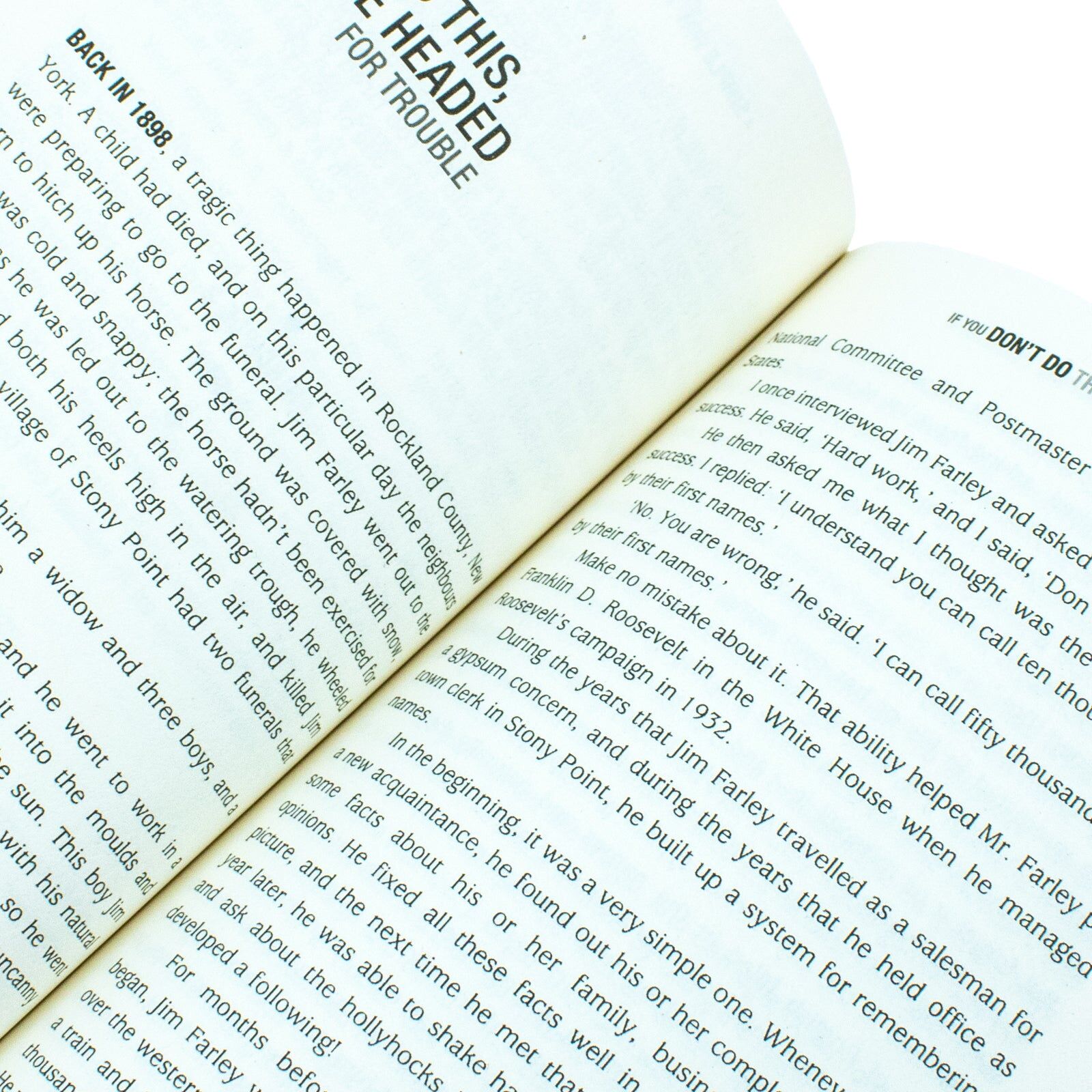
Vermilion Dale Carnegie Personal Development Collection – 6 Book Set Self-Help, Communication & Success ClassicsDale Carnegie Personal Development Collection 6 Books Set Transform your mindset, confidence, and communication skills with the Dale Carnegie Personal Development – 6 Books Collection Set by Dale Carnegie. This powerful collection brings together some of Carnegie’s most influential works on success, relationships, leadership, and personal growth. Known for his timeless principles and practical advice, Carnegie’s teachings have helped millions of readers improve their confidence, build meaningful relationships, and achieve their goals. Perfect for professionals, students, entrepreneurs, and anyone looking to grow personally and professionally, this set offers a complete guide to mastering communication and success. Why Readers Love This Collection: Includes 6 bestselling personal development books Timeless advice on communication, confidence, and leadership Easy-to-understand, practical strategies Ideal for beginners and experienced readers Perfect for self-improvement and career growth A must-have for anyone serious about personal development, the Dale Carnegie Collection delivers proven principles for success in life and work. Description How to Develop Self-confidence and Influence People by Public Speaking Drawing on Dale years of experience as a business trainer this book will show you how to overcome the natural fear of public speaking, to become a successful speaker and even learn to enjoy it. How To Stop Worrying And Start Living Worry affects everyone and descends with ease upon work, money, family life and relationships. This book offers practical strategies for breaking out of this destructive before it breaks you. How To Enjoy Your Life And Job Life is very much what we make it, and since most of us spend the greater part of our lives at work, it follows that we should be making the best of our working lives. This book demonstrates that anyone can achieve greater satisfaction in both their home life and their job by learning to integrate business, social and personal . The Quick And Easy Way To Effective Speaking Good public speakers are made, not born - or so thinks Dale Carnegie, the pioneer of personal business skills. Yet business, social and personal satisfaction depend heavily upon a persons ability to communicate clearly. Public speaking is an important skill which anyone can acquire and develop. The Art of Public Speaking Carnegie draws upon his experience as a salesman and lecturer to counsel readers on how to overcome self-consciousness and express themselves in an easy-to-understand, high-impact manner. How to Win Friends and Influence People His advice has stood the test of time and will teach you how to make friends quickly and easily, increase your popularity, persuade people to follow your way of thinking, enable you to win new clients and customers, become a better speaker, boost enthusiasm among your colleagues. Tags; Dale Carnegie Books10,99 £*Shipping: 2,99 £Secure redirect to the provider
-
Wilco International LLP How to Win Friends and Influence People by Dale Carnegie Classic Self Help Book on Communication, Leadership, Confidence & Personal DevelopmentDiscover one of the world's best-known personal development books with How to Win Friends and Influence People by Dale Carnegie. First published in 1936, this enduring classic presents practical principles for communicating effectively, building positive relationships and working successfully with other people. Through memorable examples and straightforward advice, Carnegie explores how to make a positive impression, handle disagreements constructively, encourage cooperation and become a more effective communicator. The principles can be applied across everyday life, from personal relationships and social situations to business, management, sales, networking and leadership. Accessible and practical, How to Win Friends and Influence People remains popular with readers interested in improving their communication skills, confidence, interpersonal relationships and professional development. Key Features Classic personal development book by Dale Carnegie Practical principles for improving communication Explores relationships, leadership and interpersonal skills Useful for business, management, sales and networking Helps readers understand effective people skills Suitable for personal and professional development Excellent gift for entrepreneurs, managers and self-improvement readers9,99 £*Shipping: 2,99 £Secure redirect to the provider
-
Can one unlearn rationality?
Rationality is a fundamental aspect of critical thinking and decision-making, so it is not something that can be easily unlearned. However, individuals can be influenced by emotions, biases, and external factors that may cloud their rational judgment. In these cases, it is possible for individuals to work on recognizing and addressing these influences in order to improve their rationality. Through self-awareness, education, and practice, individuals can strengthen their rational thinking skills and make more informed and logical decisions. **
-
Why is rationality criticized by society?
Rationality is often criticized by society because it can be seen as cold, unemotional, and lacking in empathy. Some people believe that rationality can lead to a lack of understanding and consideration for others' feelings and experiences. Additionally, rationality can be seen as limiting creativity and innovation, as it may prioritize logic and reason over intuition and imagination. Finally, some argue that an overemphasis on rationality can lead to a narrow-minded and inflexible approach to problem-solving, ignoring the complexities of human behavior and emotions. **
-
What does Max Weber understand by rationality?
Max Weber understands rationality as a mode of thinking and decision-making that is based on logical reasoning, calculation, and efficiency. He distinguishes between two types of rationality: substantive rationality, which is focused on achieving specific goals or values, and formal rationality, which is concerned with the most efficient means to achieve those goals. Weber also discusses the concept of rationalization, which refers to the increasing dominance of formal rationality in modern society, leading to the bureaucratization and rationalization of social and economic life. Overall, Weber sees rationality as a key driving force in modern society, shaping the way individuals and institutions operate. **
-
How much rationality is there in anger?
Anger is often seen as an emotional response that can cloud rational thinking. However, there can be some rationality in anger as it may be triggered by perceived injustices or violations of one's boundaries. In these cases, anger can serve as a signal that something is wrong and prompt individuals to take action to address the issue. It is important for individuals to acknowledge and understand their anger in order to respond to it in a constructive and rational manner. **
Similar search terms for Rationality
-
Have you acted out of reasons of rationality?
As an AI language model, I do not have personal experiences or emotions, so I do not act out of reasons of rationality or any other motivations. My responses are generated based on patterns in the data I have been trained on and are designed to provide helpful and informative answers to the best of my ability. **
-
What is the pseudo-rationality about Asperger's autists?
Pseudo-rationality in the context of Asperger's autists refers to the tendency for individuals with Asperger's syndrome to exhibit a strong adherence to logic and reason, often at the expense of social and emotional understanding. This can manifest as a focus on factual information and a preference for clear, concrete rules and systems. While this pseudo-rationality can be a strength in certain contexts, it can also lead to difficulties in understanding and navigating social interactions and emotions. It's important to recognize and support the unique strengths and challenges of individuals with Asperger's syndrome. **
-
How can one easily explain Habermas's communicative rationality?
One can easily explain Habermas's communicative rationality by understanding it as a theory that emphasizes the importance of communication and dialogue in the formation of rational consensus. According to Habermas, communicative rationality is achieved through open and inclusive discourse, where individuals engage in rational argumentation and seek mutual understanding. This process allows for the negotiation of differing perspectives and the development of shared norms and values. Ultimately, communicative rationality aims to create a more just and democratic society by fostering rational communication and decision-making. **
-
How can one maintain rationality when feeling angry?
When feeling angry, it is important to take a step back and try to understand the source of the anger. This can help in identifying any irrational thoughts or beliefs that may be fueling the anger. It is also helpful to practice deep breathing or other relaxation techniques to calm the mind and body. Additionally, seeking support from a trusted friend or therapist can provide a different perspective and help in maintaining rationality. Finally, taking time to reflect on the situation and consider the potential consequences of acting on the anger can also aid in maintaining rationality. **
* All prices are inclusive of VAT and, if applicable, plus shipping costs. The offer information is based on the details provided by the respective shop and is updated through automated processes. Real-time updates do not occur, so deviations can occur in individual cases. ** Note: Parts of this content were created by AI.